
We build the software your business runs on.
Olystique designs, builds and runs custom software: internal systems, customer apps, APIs and automation. We write the code, ship it, and stay on to keep it running.
Not sure what you need? Tell us the problem and we will say honestly whether we can help.
Our products
We build and run our own software, too.
Posgage, our social publishing product, is live. The same people build client systems, to the same standard.


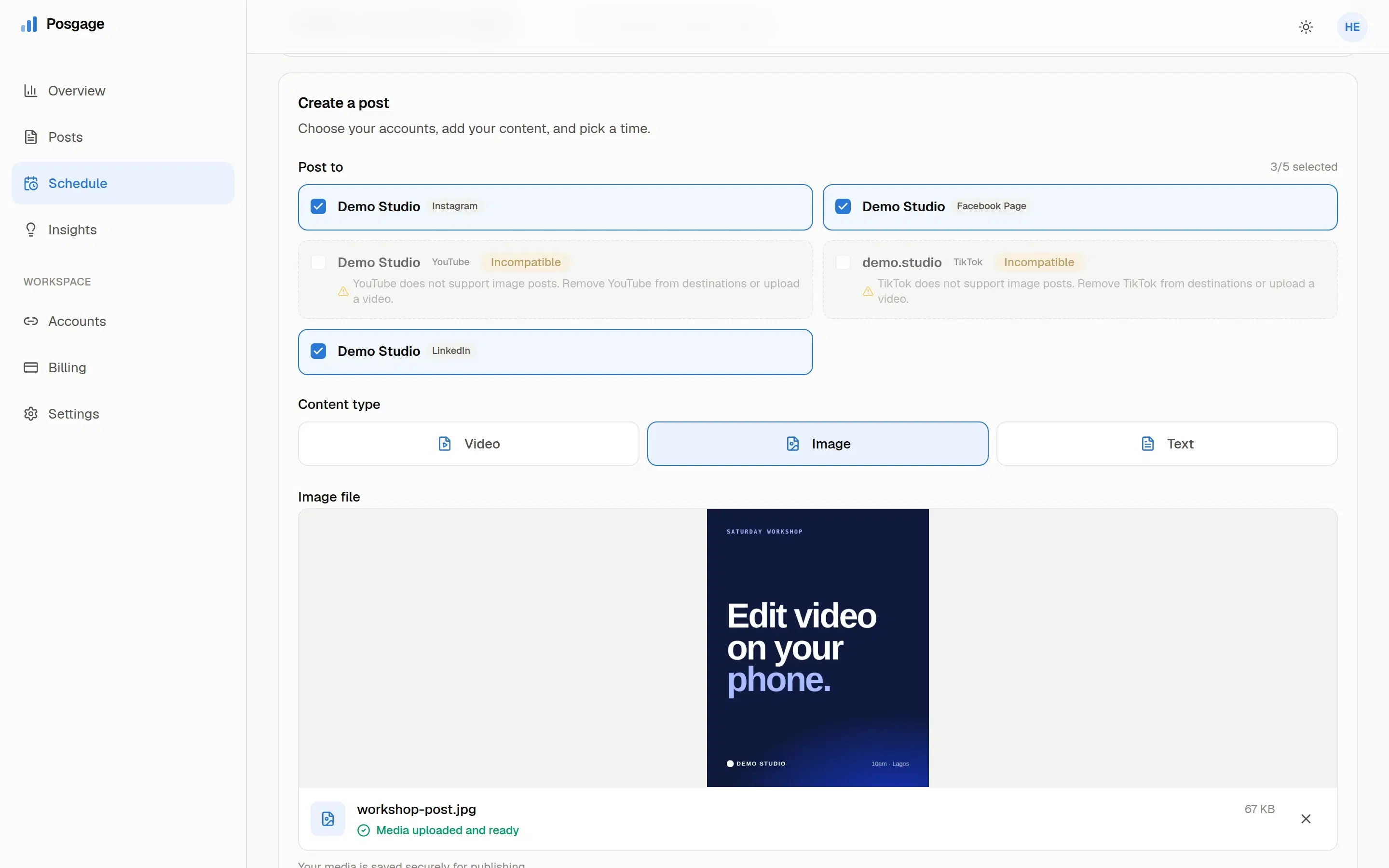
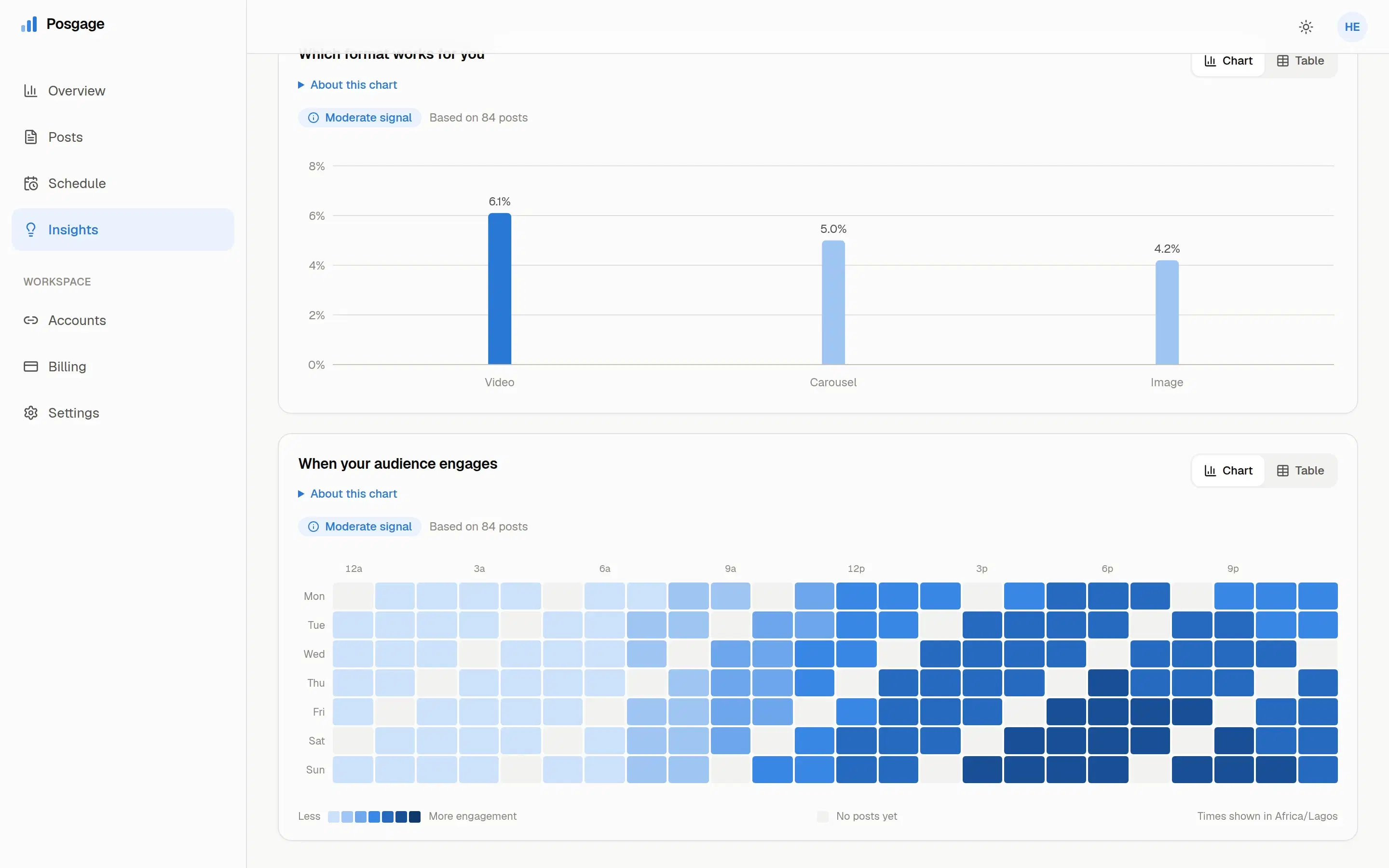
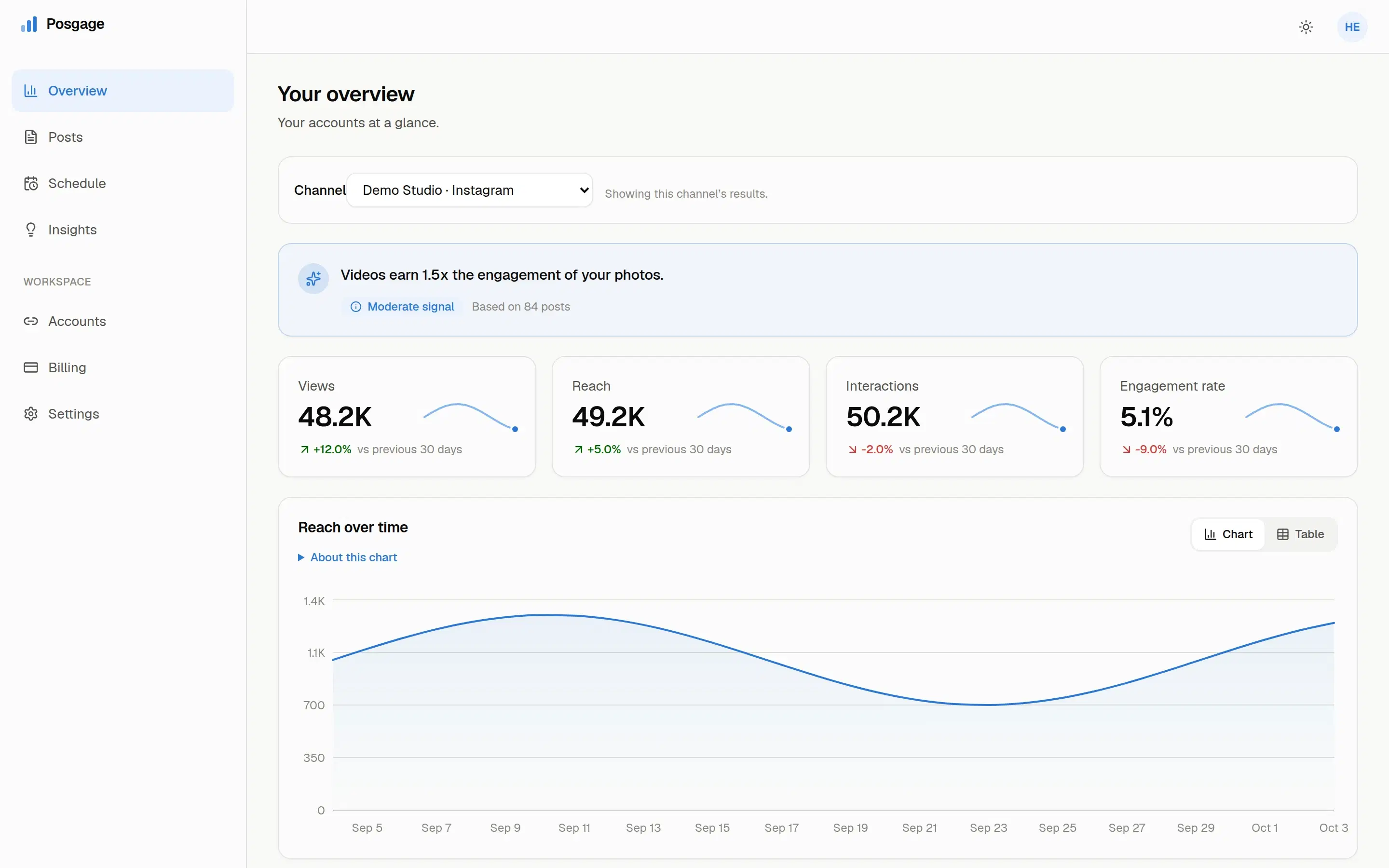
Create. One upload, every account you choose.
Posgage
Upload once. Publish everywhere, at the right hour.
Olystique Launchpad
Build real software with AI in four weeks.
Already using Posgage? Sign in
One team takes your system from the first conversation to running in production: planning, design, engineering, connecting it to the tools you already use, and the daily work of keeping it up.
- Product strategy
- Software engineering
- Systems integration
- Process automation
- Cloud infrastructure
- Technical consultancy
What we build
The systems businesses ask us for most.
Most projects start with one of these, then grow once the first part is working.
Custom software
Software built around how your team actually works, replacing the spreadsheets, paper and WhatsApp threads holding the process together.
- Internal platforms
- Operational tooling
- Data migration
SaaS platforms
Products you sell to many customers, with accounts, roles and subscription billing designed in from day one. Posgage is one we run ourselves.
- Multi-tenancy
- Subscription billing
- Admin tooling
Business systems
Approvals, workflows and reports that show what is happening in the business today, and who did what.
- Approval chains
- Audit trails
- Reporting
APIs and integrations
Connections between your systems, payment providers and partners that keep working when a provider is slow, a webhook arrives twice or a request fails.
- REST & GraphQL
- Webhook handling
- Reconciliation
Automation
Jobs that run on their own, like reconciliations, reminders and reports, with anything unusual sent to a person to decide.
- Workflow engines
- Scheduled jobs
- Exception queues
Digital products
Websites and apps your customers use, built to load fast on the phones and mobile networks they actually have.
- Customer portals
- Performance budgets
- Accessibility
How we work
How a project runs, from first call to handover.
Most of what goes wrong in a software project is decided before anyone writes code, so the first two stages are about getting the brief right. After that you see working software at every step.
- 01
Discover
We learn how the work is done today, where it breaks and what that costs, before we suggest anything.
How things work now, the problems, what success looks like
- 02
Define
We agree in writing what we will build, what we will leave out, how we will judge it and what it depends on. Open questions get settled here, before they cost money.
Written scope, technical plan, timeline
- 03
Design
We design the data, the screens and how the parts connect. Decisions that are hard to change later, like who can see what, get made now.
Data model, screen designs, technical spec
- 04
Build
We build in small pieces you can try as we go. Every piece is reviewed, tested automatically and deployed the same way.
Working software you can try at each step
- 05
Launch
Monitoring, alerts and a way to roll back are ready before release. Your team gets training and the documentation to run the system.
Live release, training, documentation
- 06
Scale
After launch we support and improve the system, and decide what to build next from how people actually use it.
Support, improvements, capacity planning
Why Olystique
What working with us is like.
What you can expect on every project, whatever its size.
Plain explanations
Every technical decision is explained in business terms: what we chose, what else we considered and why.
Built to grow
The decisions that are expensive to change later, like how data is stored and who can see what, are settled early. Growth then means adding to the system, not rebuilding it.
Judged by results
We agree up front what success means for the business, such as hours saved, fewer errors or a product in customers' hands, and measure the work against it.
Secure from the first version
Access control, password and key handling, logging and backups are part of the first release.
Yours to keep
You get the code, the tests and the documentation. Whether we keep working together or your own team takes over, the system stays easy to change.
You talk to the builders
You work directly with the people writing your software, so questions are answered by someone who knows the answer.
Solutions
Where most clients start.
The problems businesses most often bring us. Each page explains how we would approach it and what you would end up with.
- 01
Digitise your operations
Move the business off spreadsheets and into a system of record.
- 02
Automate your business
Remove the repetitive work between the steps that add value.
- 03
Launch a new digital product
Take an idea to a product real customers can use and pay for.
- 04
Modernise legacy systems
Reduce the risk in systems that work but can no longer change.
- 05
Connect your business systems
Make the tools you already pay for behave like one system.
- 06
Build customer-facing platforms
Give customers a self-service surface instead of an inbox.
- 07
Scale your technology
Make a platform that works at current volume work at ten times it.
Reference designs
How we would build three common systems.
We are a young company, and Posgage is our first live product. These pages show how we would design systems clients often ask for, and exactly what we would deliver.
Custom software · Backend engineering
Financial Operations Platform
A ledger-backed platform for businesses that move money on behalf of others and need every figure to reconcile.
- TypeScript
- PostgreSQL
- Event-driven jobs
Custom software · Process automation
Business Management System
An operational system of record for businesses running on spreadsheets, replacing scattered files with auditable process.
Web application · Integrations
Customer Engagement Platform
A self-service customer portal that absorbs the routine requests currently handled by a support inbox.
Tell us what you are working on.
Describe the problem or the idea. We will read it properly and tell you plainly whether we are the right team for it.